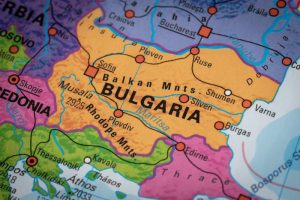
The Balkans remain one of the most strategically sensitive regions in Europe. Decades after the conflicts that shaped the post-Cold War era, the region still faces political divisions, ethnic tensions, economic uncertainty, and external geopolitical pressure. Because of this, Balkan security continues to attract significant attention from international organizations and global powers.
Two institutions play the largest role in shaping regional stability today: NATO and the European Union. Although they use different methods, both aim to reduce instability, strengthen institutions, and prevent future conflict. Their influence reaches far beyond military operations or political agreements. It affects governance, economic development, border security, cybersecurity, and diplomatic cooperation across Southeast Europe.
Understanding how these organizations influence Balkan security helps explain why the region remains central to European geopolitics.
Why the Balkans Remain a Sensitive Security Region
The Balkans have historically been shaped by competing empires, ethnic complexity, and political fragmentation. Even after the violent conflicts of the 1990s, many disputes remain unresolved. National identity, territorial disagreements, and ethnic representation still influence domestic politics throughout the region.
Geography also increases the region’s strategic importance. The Balkans connect Central Europe, the Mediterranean, Eastern Europe, and parts of the Middle East. This location makes the region important for trade, energy routes, migration flows, and military positioning.
Political systems across the region vary significantly in strength and stability. Some countries have advanced institutional reforms, while others continue struggling with corruption, weak governance, and political polarization. These differences create uneven security conditions that international organizations attempt to address.
At the same time, external powers continue competing for influence. This turns Balkan security into more than a regional issue. It becomes part of a larger geopolitical contest involving Europe, Russia, China, Turkey, and the United States.
The Role of NATO in Balkan Security
NATO’s Military Presence and Peacekeeping Operations
NATO became deeply involved in the Balkans during the conflicts of the 1990s. Military interventions and peacekeeping missions were designed to stop violence, stabilize fragile areas, and prevent broader regional escalation.
Over time, NATO shifted from direct intervention toward long-term stabilization. Its presence now focuses more on deterrence, institutional cooperation, and maintaining security frameworks that discourage renewed conflict.
Peacekeeping missions also helped reduce immediate tensions between communities. While political disagreements remain, large-scale violence has been significantly reduced compared to previous decades.
Defense Cooperation With Balkan States
NATO works closely with Balkan governments through joint military exercises, officer training, and defense modernization programs. These partnerships help local armed forces improve interoperability and operational standards.
Military cooperation also increases political alignment with Western security systems. Countries participating in NATO programs often reform defense institutions to meet alliance expectations.
This process has strategic value beyond military readiness. It strengthens long-term relationships between Balkan governments and Western security structures.
NATO Expansion in Southeast Europe
Several Balkan states have joined NATO over the past two decades. Enlargement has changed the region’s security environment significantly.
Supporters argue that NATO membership provides security guarantees and reduces the likelihood of conflict between neighboring states. Membership can also attract foreign investment by increasing political predictability.
Critics, however, argue that expansion can intensify geopolitical tensions, especially in areas where public opinion remains divided over Western alignment.
Despite these debates, NATO continues to view Southeast Europe as strategically important for broader European stability.
How the European Union Shapes Stability in the Balkans
Unlike NATO, the European Union primarily uses political, economic, and institutional tools to influence Balkan security.
EU integration offers Balkan countries a long-term pathway toward economic development and political reform. Membership prospects encourage governments to improve democratic institutions, strengthen rule of law, and reduce corruption.
This approach connects security with governance quality. The EU believes stable institutions create more stable societies.
Economic investment also plays a major role. Infrastructure funding, development assistance, and trade integration help reduce economic fragility that can contribute to political instability.
The EU additionally supports judicial reform, media freedom initiatives, and public administration modernization. These efforts aim to strengthen state resilience against internal and external pressures.
For many Balkan countries, EU integration represents both a political goal and a strategic security framework.
NATO vs EU Approaches to Balkan Security
Hard Security vs Political Integration
NATO and the EU approach Balkan security differently. NATO focuses primarily on defense and military cooperation. Its strength lies in deterrence, operational coordination, and rapid response capability.
The EU focuses more on political transformation and economic integration. Instead of military power, it uses regulatory standards, institutional incentives, and financial support.
These approaches complement each other. Military stability without political reform may remain fragile, while political reform without security guarantees may struggle during crises.
Crisis Response and Conflict Prevention
NATO is structured for fast security responses. It can coordinate military action quickly when threats emerge.
The EU works more gradually through diplomacy, negotiation, and long-term reform mechanisms. Its influence develops over years rather than immediate operations.
In the Balkans, both approaches are necessary. Security problems often involve both immediate risks and long-term structural weaknesses.
Long-Term Regional Influence
NATO membership creates formal defense commitments. EU integration reshapes domestic governance and economic systems over time.
Public perception differs between countries. Some populations view NATO mainly as a security protector, while others associate the EU with economic opportunity and modernization.
These perceptions influence regional political debates significantly.
The Impact of Ethnic and Political Tensions on Balkan Security
Ethnic tensions continue influencing politics across parts of the Balkans. Historical grievances remain politically sensitive, especially where wartime memories still shape public identity.
Nationalist rhetoric occasionally increases during elections or periods of economic stress. Political leaders sometimes use identity-based narratives to strengthen domestic support.
Border disputes and minority representation issues also contribute to instability risks. Even when tensions do not lead to violence, they can slow regional cooperation and reform progress.
For NATO and the EU, managing these tensions requires balancing diplomacy, institutional pressure, and local engagement carefully.
External Powers Competing for Influence in the Balkans
Russian Strategic Interests in the Region
Russia maintains influence in parts of the Balkans through historical ties, energy partnerships, and political relationships. Moscow often opposes NATO expansion and seeks to preserve influence in strategically important areas.
Russian media narratives and diplomatic messaging can also shape public opinion within certain Balkan states.
This creates geopolitical competition between Western institutions and Russian strategic interests.
China’s Economic and Infrastructure Investments
China has expanded its regional presence through infrastructure investment and development financing. Transportation projects, energy facilities, and industrial investments have increased Beijing’s economic influence in Southeast Europe.
Some analysts view these projects as economic opportunities, while others worry about long-term dependency and strategic leverage.
China’s involvement demonstrates that Balkan security increasingly includes economic and technological dimensions, not just military concerns.
Turkey’s Historical and Cultural Connections
Turkey also maintains strong ties with several Balkan countries through trade, diplomacy, religion, and historical connections.
Its regional influence often operates through cultural engagement and economic cooperation rather than direct geopolitical confrontation.
This multi-layered external involvement makes Balkan geopolitics highly complex.
Security Challenges Facing the Balkans Today
Modern Balkan security challenges extend beyond traditional military threats.
Cybersecurity has become increasingly important. Disinformation campaigns, cyberattacks, and digital influence operations can destabilize political systems without physical conflict.
Organized crime networks remain another major concern. Trafficking routes crossing the Balkans affect regional law enforcement and border security.
Migration pressures also create challenges, especially during periods of broader European instability. Border management requires coordination between regional governments and international organizations.
Energy security is another growing issue. Dependence on external suppliers can create economic vulnerability and political leverage.
These modern threats require coordinated strategies combining military, political, technological, and economic tools.
The Role of EU Enlargement in Future Balkan Stability
Candidate Countries and Membership Aspirations
Several Balkan countries continue pursuing EU membership. Candidate status often motivates governments to implement reforms connected to governance, transparency, and institutional modernization.
For many leaders, integration remains a central national objective.
Challenges Slowing the Enlargement Process
However, the enlargement process has slowed in recent years. Internal EU disagreements, reform fatigue, and concerns about governance standards have complicated accession timelines.
This uncertainty creates frustration in parts of the region.
Delayed integration can weaken reform momentum and increase skepticism toward European institutions.
Security Risks of Delayed Integration
If integration slows too much, geopolitical competitors may gain greater influence. Political polarization could also increase if populations lose confidence in long-term European alignment.
Because of this, enlargement policy remains closely connected to Balkan security strategy.
How NATO and the EU Cooperate on Balkan Security
Although NATO and the EU are separate organizations, they often coordinate closely in the Balkans. Their cooperation includes intelligence sharing, crisis management coordination, and aligned diplomatic objectives.
Both organizations aim to prevent instability, support institutional reform, and strengthen regional resilience.
However, coordination challenges sometimes emerge due to political disagreements between member states or differences in strategic priorities.
Even so, combined NATO-EU influence remains the dominant external stabilizing force in Southeast Europe.
Public Opinion and Local Perspectives on Western Influence
Public attitudes toward NATO and the EU vary significantly across the Balkans. In some countries, support for Western integration remains strong because it is associated with economic progress and political stability.
In others, skepticism exists due to historical grievances, political narratives, or concerns about sovereignty.
Media influence plays a major role in shaping perceptions. Domestic political leadership also affects how international organizations are viewed locally.
Younger generations often have different geopolitical perspectives than older populations, especially regarding European integration and regional cooperation.
Understanding local opinion is essential because long-term stability depends not only on institutions but also on public trust.
Future Outlook for Balkan Security and Regional Stability
The future of Balkan security will depend heavily on whether political reforms, economic development, and regional cooperation continue progressing.
Emerging geopolitical tensions could increase pressure on the region, especially as global power competition intensifies.
At the same time, stronger European integration and institutional modernization could reduce long-term instability risks significantly.
NATO will likely remain central to military deterrence and defense cooperation, while the EU will continue shaping governance and economic transformation.
The challenge for both organizations is maintaining credibility, coordination, and long-term commitment in an increasingly complex geopolitical environment.
Conclusion
Balkan security remains one of Europe’s most important geopolitical challenges. Historical tensions, political fragmentation, external influence, and modern security threats continue shaping the region’s future.
NATO and the EU influence the Balkans in different but complementary ways. NATO provides military stability, defense cooperation, and deterrence. The EU promotes institutional reform, economic development, and long-term political integration.
Neither approach alone is enough. Sustainable regional stability requires both security guarantees and structural transformation. As geopolitical competition increases globally, the Balkans will likely remain a key testing ground for how military alliances and political institutions work together to maintain peace and resilience in Europe.