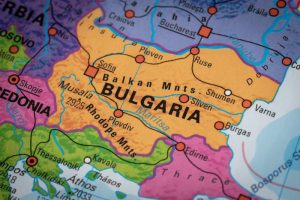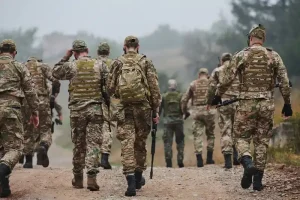
The Balkans remain one of the most strategically sensitive regions in Europe. Geography, history, and politics intersect in ways that continue to shape stability today. The region sits at a crossroads between East and West, making it important for both European and global security frameworks.
When discussing Balkan regional security, it is impossible to separate present conditions from historical legacy. Conflicts from the 1990s still influence political relationships, trust between states, and institutional development. At the same time, new challenges like cyber threats and economic instability are reshaping the security landscape.
This article explores the key forces shaping security in the Balkans, including alliances, external influence, and future risks and opportunities.
Historical Legacy and Its Impact on Balkan Regional Security
The modern security situation in the Balkans cannot be understood without looking at its history. The breakup of Yugoslavia in the 1990s created a series of conflicts that left deep political and social scars. Even though active warfare has ended, many unresolved tensions remain beneath the surface.
One of the most lasting effects is mistrust between neighboring states. Political relationships are often shaped by historical grievances rather than purely strategic interests. This slows down cooperation and makes regional agreements harder to achieve.
Ethnic divisions also continue to influence domestic politics in several countries. These divisions can be used by political actors to gain support, which sometimes increases instability rather than reducing it.
Historical memory plays a major role in education, media, and political discourse. As a result, past conflicts are not just remembered history—they actively shape present decision-making.
Key Security Challenges Facing the Balkans Today
Political Instability and Governance Gaps
Several Balkan states still face challenges related to political stability and institutional strength. Weak governance structures can limit the effectiveness of law enforcement, judiciary systems, and public administration.
Corruption remains a persistent issue in parts of the region. It weakens trust in institutions and can create opportunities for external influence. When governance is inconsistent, long-term security planning becomes difficult.
Ethnic and National Identity Tensions
Ethnic identity continues to be a sensitive issue in many Balkan countries. Political narratives often rely on national identity, which can increase division between communities.
These tensions do not always lead to conflict, but they can create political instability. Disputes over rights, representation, and autonomy remain key challenges in some areas.
Organized Crime and Cross-Border Networks
Organized crime is a significant security concern in the region. The Balkans sit along important transit routes between Europe, the Middle East, and Asia. This makes it a strategic corridor for illicit trade, including trafficking and smuggling.
Criminal networks often operate across borders, which makes enforcement more difficult. In some cases, these networks have connections that overlap with political or economic structures, complicating reform efforts.
Cybersecurity and Hybrid Threats
Modern security challenges are no longer limited to physical threats. Cybersecurity has become increasingly important in the Balkans. Government systems, infrastructure, and private sectors are all vulnerable to digital attacks.
Hybrid threats also include misinformation and influence campaigns. These can target public opinion, political processes, and trust in institutions. As digital dependence increases, these risks are expected to grow.
NATO’s Role in Balkan Regional Security
NATO plays a central role in shaping security in the Balkans. Several countries in the region are already members, while others are seeking membership or cooperation agreements.
NATO’s presence has contributed to stabilization efforts since the post-conflict period. Peacekeeping missions and training programs have helped reduce the likelihood of large-scale conflict.
Military cooperation is another key element. Many Balkan states are aligning their defense systems with NATO standards. This improves interoperability and strengthens regional defense capacity.
However, NATO membership aspirations also create political debates within countries. These debates can influence domestic politics and foreign policy decisions.
European Union Influence on Balkan Stability
EU Enlargement Policy and Conditionality
The European Union is one of the most influential actors in the region. Through its enlargement policy, the EU encourages reforms in governance, rule of law, and economic systems.
Countries seeking membership must meet specific conditions. This process pushes institutional improvements but can also be slow and politically challenging.
Economic Integration as a Security Tool
Economic development is closely linked to security. The EU promotes trade integration and infrastructure development in the Balkans.
Stronger economies reduce instability by creating jobs and reducing migration pressures. Economic ties also encourage cooperation between states.
Soft Power and Institutional Support
Beyond economics, the EU also uses soft power. This includes education programs, civil society support, and administrative reforms.
These initiatives help align Balkan institutions with European standards. Over time, this can contribute to more stable governance systems.
Russia, China, and External Influence in the Balkans
The Balkans are also influenced by external global powers. Russia maintains historical and cultural ties with parts of the region. Its influence is often visible in energy cooperation and diplomatic relationships.
China has increased its presence through infrastructure investment and economic projects. These investments provide development opportunities but also raise concerns about long-term dependency.
Information influence is another dimension. Competing narratives from external actors can shape public opinion and political debate.
Balancing these influences with European integration goals is a key strategic challenge for Balkan states.
Regional Cooperation Mechanisms and Alliances
Bilateral Security Agreements
Many Balkan countries have developed bilateral agreements to improve security cooperation. These include intelligence sharing, border coordination, and defense collaboration.
Such agreements help address immediate threats, especially in areas like organized crime and border security.
Multilateral Initiatives in the Western Balkans
Regional initiatives aim to improve cooperation beyond bilateral relations. These frameworks focus on economic integration, security coordination, and political dialogue.
While progress is uneven, these platforms help maintain communication between states with historical tensions.
Challenges in Regional Trust-Building
Despite these efforts, trust remains limited in some cases. Historical conflicts and political disagreements can slow down cooperation.
Competing national priorities also make it difficult to build unified strategies across the region.
Military Modernization and Defense Capabilities in the Balkans
Many Balkan countries are modernizing their armed forces. This includes upgrading equipment, improving training, and aligning with NATO standards where applicable.
However, defense budgets are often limited. This restricts the speed and scale of modernization efforts.
External training programs and partnerships help fill capability gaps. These collaborations improve readiness but also increase reliance on external support.
Economic Stability and Its Link to Balkan Regional Security
Economic conditions are directly linked to security outcomes. High unemployment, especially among young people, can increase social pressure and migration.
Economic inequality between regions and countries also contributes to instability. When opportunities are uneven, tensions can grow.
Foreign investment plays a key role in development. Infrastructure projects and trade opportunities can improve stability when managed effectively.
Long-term economic growth is one of the strongest foundations for sustainable security in the region.
Migration, Borders, and Human Security Challenges
The Balkans are an important transit route for migration flows into Europe. This creates pressure on border management systems and regional coordination.
Human trafficking remains a serious issue in some areas. Criminal networks exploit migration routes for illegal activities.
At the same time, governments must balance security concerns with humanitarian responsibilities. This creates a complex policy environment that requires coordination and international support.
Future Outlook for Balkan Regional Security
The future of balkan regional security depends on several interconnected factors. One possible path is deeper integration with the European Union, which could strengthen institutions and reduce instability.
Another scenario involves slow progress and continued fragmentation. In this case, external influence and internal divisions may remain strong.
Youth engagement, digital transformation, and civil society development will also play important roles. Younger generations are more connected to global systems and may push for reform and modernization.
Technology will continue to shape security dynamics. Cyber defense, digital governance, and information control will become increasingly important in the coming years.
Conclusion
Balkan regional security is shaped by a complex mix of history, politics, economics, and external influence. While the region has made significant progress since the conflicts of the 1990s, many challenges remain.
NATO and the EU continue to play central roles in stabilizing the region, while other global actors add additional layers of complexity. At the same time, internal issues such as governance gaps, economic inequality, and organized crime continue to influence outcomes.
The future of the Balkans will depend on cooperation, reform, and sustained investment in institutions and economic development. Stability is possible, but it requires long-term commitment from both regional and international stakeholders.