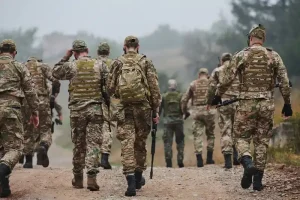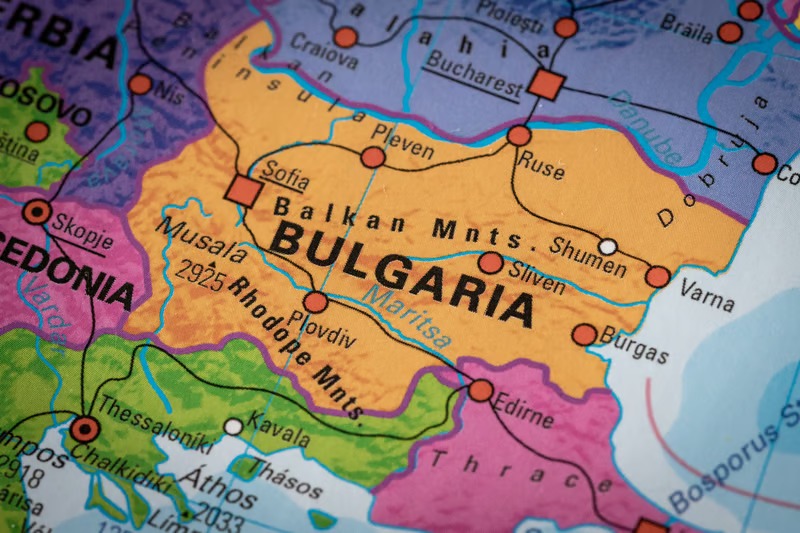
The Balkans have long been a region marked by a complex tapestry of cultures, histories, and conflicts. The importance of security in this area cannot be overstated. With a history of instability, the region continues to face numerous challenges that threaten its future. This article aims to analyze the current threats to Balkan regional security, examining political issues, economic challenges, and external influences that shape the landscape today.
Historical Context of Balkan Regional Security
Understanding the current threats to Balkan regional security requires a look back at its historical context. The legacy of conflict has significantly impacted stability, with past grievances often resurfacing in contemporary politics. Events from the Yugoslav Wars in the 1990s still echo in today’s regional relationships. These historical conflicts have fostered deep-rooted nationalistic sentiments that can ignite tensions.
The region’s history is not just a series of conflicts but also a history of shifting alliances and changing borders. These dynamics have created a sense of mistrust among nations, making it difficult to form stable relationships. The memories of past atrocities continue to influence political discourse, and national identities are often tightly woven with historical narratives.
The role of international actors also plays a pivotal part in this landscape. NATO, the European Union, and other organizations have intervened in the region at various points in history. Their actions, while aimed at fostering stability, have had mixed results. Some interventions have led to temporary peace, but historical resentments linger, complicating the current security environment. The presence of international troops and peacekeeping missions has been a double-edged sword, as they can stabilize an area but also serve as a reminder of foreign interference in domestic affairs.
Political Instability
Political instability remains one of the most pressing threats to Balkan regional security today. Nationalism and ethnic tensions continue to shape the political landscape. Various countries in the region grapple with the rise of nationalist sentiments, often leading to friction between different ethnic groups. Recent incidents of unrest serve as reminders that the wounds of the past can quickly reopen.
In countries like Bosnia and Herzegovina, political deadlock often arises from ethnic divisions. The power-sharing arrangement established by the Dayton Agreement has created a fragile peace but has also institutionalized ethnic divisions. This situation hinders effective governance and creates an environment ripe for conflict.
Governance issues further exacerbate this instability. Corruption remains rampant across many Balkan nations, undermining public trust and eroding the effectiveness of governmental institutions. Weak institutions struggle to provide stability, leaving room for unrest and discontent to fester. This combination of nationalism and governance challenges creates a precarious situation for regional security. Citizens often feel disillusioned, leading to protests and increasing radicalization among youth, who may turn to extremist ideologies as a form of resistance against perceived oppression.
Economic Challenges
Economic challenges also pose a significant threat to Balkan regional security. Economic inequality is a pressing issue, with stark disparities both within and between countries. Many communities face high unemployment rates and low wages, leading to frustration and potential instability. As these economic challenges persist, they can fuel discontent and social unrest.
The economic landscape is further complicated by high levels of youth unemployment, which can lead to a brain drain as young people leave the region in search of better opportunities abroad. This migration not only affects the labor market but also weakens the social fabric of communities left behind. Countries struggle to retain talent, which is crucial for innovation and economic growth.
Additionally, the region’s dependence on external aid complicates its economic landscape. Many Balkan countries rely heavily on foreign investment and assistance, which can create vulnerabilities. This dependence can lead to a precarious situation where external circumstances dictate local stability. Economic challenges must be addressed to foster sustainable security in the region. Governments must prioritize economic reforms that promote self-sufficiency, encourage entrepreneurship, and attract foreign direct investment while ensuring that local communities benefit from these initiatives.
Influence of External Powers
The influence of external powers is another critical aspect of Balkan regional security. Russia’s role in the Balkans has grown in recent years, with the country seeking to expand its influence and interests in the region. This increased presence has raised concerns among Balkan nations, particularly those seeking closer ties with the European Union and NATO.
Russia employs a mix of soft and hard power to assert its influence, including economic investments, energy dependence, and support for nationalist movements. This strategy can create divisions within the region, pitting countries against each other in their pursuit of aligning with either Western or Russian interests.
The EU’s approach to Balkan security is also significant. While the EU has expressed interest in integrating Balkan countries, several obstacles remain. Issues ranging from governance to economic stability can hinder progress toward integration. As countries strive for membership, the path to EU integration becomes a double-edged sword, with security implications for the region. The EU must balance its commitment to democratic reforms with the need for stability, which can lead to compromises that do not fully address the underlying issues.
Security Threats and Emerging Risks
As the landscape of Balkan regional security evolves, new threats and risks emerge. Organized crime and corruption are significant issues that undermine stability. The presence of organized crime networks complicates governance and erodes public trust in institutions. Corruption can stifle economic growth and create an environment where illegal activities flourish.
The migration and refugee crisis further exacerbates security challenges in the Balkans. Current migration trends have implications for regional security, as increased movement can lead to tensions between host communities and newcomers. As countries navigate these complex issues, the potential for unrest grows. Moreover, the lack of a cohesive migration policy among Balkan states can lead to fragmented responses and exacerbate existing tensions between communities.
Environmental Threats and Climate Change
Environmental threats also play a role in shaping Balkan regional security. Natural disasters, such as floods and wildfires, pose risks to communities and infrastructure. Vulnerabilities to these disasters highlight the need for resilience and preparedness. Climate change exacerbates these risks, creating a situation where security becomes intertwined with environmental challenges.
Resource scarcity is another concern that can lead to conflict. As natural resources become limited, competition for access can escalate. The potential for conflict over water, land, and energy resources adds another layer of complexity to the security landscape in the Balkans. Countries must work together to develop sustainable resource management strategies, as failure to do so could lead to conflicts that further destabilize the region.
Conclusion
In conclusion, the threats to Balkan regional security are multifaceted and interconnected. Political instability, economic challenges, external influences, and emerging risks all contribute to a complex security environment. Addressing these challenges requires a coordinated approach that involves regional cooperation and international support. As the region moves forward, fostering stability and security must remain a priority for all stakeholders.
FAQs
1. What are the main threats to Balkan regional security today?
The main threats include political instability, economic challenges, the influence of external powers, organized crime, and environmental risks. Each of these factors contributes to a complex security landscape in the region.
2. How does nationalism affect Balkan regional security?
Nationalism can exacerbate ethnic tensions and lead to unrest. Historical grievances often resurface, creating a volatile political environment that complicates efforts to maintain stability.
3. What role do external powers play in the Balkans?
External powers, particularly Russia and the EU, influence regional dynamics. Their interests can affect the security landscape, with some countries seeking closer ties to the EU while others align with Russia.
4. How do economic challenges impact security in the Balkans?
Economic inequality and dependence on external aid create vulnerabilities. High unemployment and low wages can lead to social unrest, further complicating the security situation in the region.
5. What environmental threats affect Balkan regional security?
Natural disasters and climate change pose risks to communities and infrastructure. Resource scarcity can lead to competition and conflict over essential resources, impacting regional stability.