International politics often uses the words diplomacy and statecraft as if they mean the same thing. In everyday discussions, news analysis, and political debates, both terms appear closely connected. While they do overlap, they are not identical. Understanding the difference between diplomacy and statecraft is important because each plays a separate role in how nations manage power, security, alliances, and global influence.
Diplomacy usually refers to communication and negotiation between states. Statecraft is broader. It includes diplomacy but also covers military planning, economic influence, intelligence strategy, political leadership, and long-term national interests. One focuses mainly on interaction. The other focuses on the complete management of national power. This distinction matters because countries often succeed or fail internationally depending on how well they balance both approaches.
The difference between diplomacy and statecraft becomes especially visible during wars, trade disputes, peace negotiations, sanctions, or alliance building. Some governments may use excellent diplomatic language while lacking strategic direction. Others may possess strong statecraft but poor diplomatic execution. The strongest global powers usually combine both effectively.
Understanding Diplomacy
Diplomacy is the practice of managing relationships between countries through communication, negotiation, and representation. It is one of the oldest tools in international relations. Ancient kingdoms exchanged envoys and messengers long before modern governments existed. Even during conflict, diplomacy remained necessary because nations needed ways to negotiate peace, trade, and political agreements.
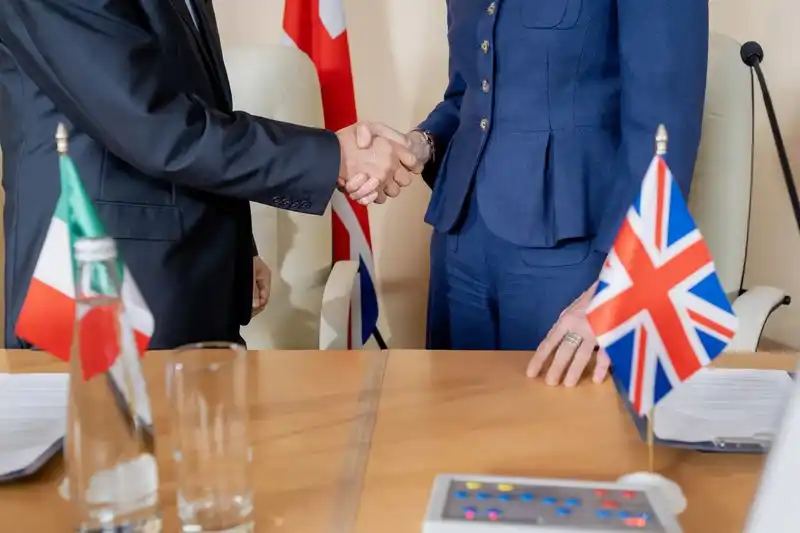
Modern diplomacy includes embassies, ambassadors, international summits, treaty discussions, and back-channel negotiations. Diplomats represent their governments abroad and work to protect national interests while maintaining stable relationships with other countries. This often requires patience, emotional intelligence, cultural awareness, and negotiation skills.
The difference between diplomacy and statecraft starts becoming clear here. Diplomacy is mostly about interaction and communication. It focuses on dialogue, persuasion, compromise, and conflict management. Statecraft goes much further because it includes the strategic direction behind those diplomatic actions.
Diplomacy can succeed temporarily even without strong long-term planning. For example, two countries may negotiate a short-term ceasefire through diplomacy alone. However, maintaining regional stability over decades requires broader statecraft involving defense policy, economic planning, intelligence cooperation, and strategic alliances.
Understanding Statecraft
Statecraft refers to the overall management of a nation’s power and strategic interests. It combines multiple tools to achieve political, economic, and security goals at both domestic and international levels. Diplomacy is only one part of statecraft.
A government practicing effective statecraft thinks beyond immediate negotiations. Leaders evaluate military readiness, economic influence, technological competition, intelligence capabilities, trade relationships, and geopolitical positioning. Statecraft involves long-term thinking because nations must prepare for future risks and opportunities rather than reacting only to current events.
The difference between diplomacy and statecraft becomes easier to understand when comparing them to a chess game. Diplomacy is similar to the conversations and negotiations happening during the game. Statecraft is the full strategy guiding every move across the entire board.
Statecraft also involves balancing hard power and soft power. Hard power includes military strength and economic pressure. Soft power involves cultural influence, political reputation, and international trust. Strong statecraft requires knowing when to use persuasion and when to apply pressure.
Countries with weak statecraft often struggle internationally, even if they have talented diplomats. Without a clear national strategy, diplomatic efforts become inconsistent or reactive. Strong statecraft creates direction, while diplomacy helps execute parts of that direction.
The Core Difference Between Diplomacy and Statecraft
The main difference between diplomacy and statecraft is scope. Diplomacy is one method used to manage international relationships. Statecraft is the complete system used to advance national interests using every available tool.
Diplomacy mainly focuses on communication. Statecraft focuses on strategy. Diplomacy usually operates through dialogue, negotiation, and representation. Statecraft includes military planning, economic policy, intelligence operations, alliance building, and national power management alongside diplomacy.
Another important difference involves the time horizon. Diplomacy often handles immediate or short-term objectives such as negotiations, crisis management, or treaty discussions. Statecraft focuses more heavily on long-term national positioning. Governments practicing strong statecraft think years or even decades ahead.
The difference between diplomacy and statecraft also appears in leadership structure. Diplomacy is often handled directly by diplomats, foreign ministers, and ambassadors. Statecraft involves national leadership at the highest level, including presidents, prime ministers, military advisors, intelligence agencies, and economic planners.
This does not mean diplomacy is less important. In fact, diplomacy becomes far more effective when guided by coherent statecraft. Without strategic direction, diplomatic agreements may solve temporary issues while creating future instability.
How Diplomacy Functions in Global Affairs
Diplomacy plays a central role in reducing conflict and maintaining communication between governments. Even hostile nations usually maintain some diplomatic channels because complete silence increases misunderstanding and escalation risks.
Diplomatic efforts appear in many forms. Bilateral diplomacy occurs between two countries. Multilateral diplomacy involves multiple nations working together through organizations and conferences. Public diplomacy focuses on influencing foreign populations through communication and cultural outreach.
The difference between diplomacy and statecraft becomes clearer when observing international negotiations. Diplomats may negotiate trade agreements or security arrangements, but the broader national strategy behind those negotiations comes from statecraft.
Successful diplomacy requires adaptability because international situations change constantly. Diplomats often operate under pressure while balancing national interests with international expectations. Skilled diplomats know how to maintain relationships even during disagreements or crises.
Modern diplomacy has also expanded into digital communication, media engagement, and global public relations. Governments now shape international perception not only through embassies but also through social media, international broadcasting, and cultural influence campaigns.
How Statecraft Shapes National Power
Statecraft determines how nations use resources, alliances, and influence to secure long-term advantages. Countries with effective statecraft rarely depend on a single tool. Instead, they combine economic strategy, military planning, diplomatic engagement, and political influence.
Economic policy is a major part of statecraft. Trade agreements, sanctions, foreign investment strategies, and energy partnerships all influence international power relationships. Nations increasingly use economic pressure as a strategic tool instead of relying only on military force.
Military strategy also remains a key element. Strong statecraft requires understanding when military power supports diplomacy and when restraint creates better outcomes. Some governments damage their international standing by relying too heavily on force without diplomatic balance.
The difference between diplomacy and statecraft becomes highly visible during geopolitical competition. Diplomacy may manage negotiations between rival powers, but statecraft shapes the larger competition involving trade dominance, regional alliances, technological leadership, and military positioning.
Technology has also become part of modern statecraft. Cybersecurity, artificial intelligence, communication infrastructure, and information control now influence global power balances significantly. Governments increasingly treat technology as a strategic national asset rather than only an economic sector.
Historical Examples Showing the Difference
History provides many examples demonstrating the difference between diplomacy and statecraft. During the Cold War, both the United States and the Soviet Union practiced extensive diplomacy through negotiations and arms control discussions. However, the broader competition involved much larger statecraft strategies, including military alliances, intelligence operations, economic influence, and ideological competition.
Another example comes from post-World War II reconstruction. The Marshall Plan was not simply diplomatic aid. It represented strategic statecraft, aiming to stabilize Europe economically, strengthen political alliances, and limit Soviet influence.
Diplomacy often solved immediate tensions during this period, but long-term statecraft shaped the global order for decades afterward.
In modern times, rising global powers use statecraft by simultaneously combining trade, investment, infrastructure projects, diplomatic outreach, and the expansion of regional influence. Diplomacy supports these efforts, but the strategic direction belongs to statecraft.
The difference between diplomacy and statecraft becomes obvious when comparing short-term negotiations with long-term geopolitical planning. One manages relationships directly while the other shapes the environment those relationships operate within.
Why Confusing the Two Creates Problems
Many political discussions oversimplify international relations by treating diplomacy and statecraft as interchangeable concepts. This creates a misunderstanding about how governments actually operate globally.
A country may achieve successful diplomatic meetings while still failing strategically. Public announcements and treaty signings can appear positive initially, but weak long-term planning may later create economic vulnerability, regional instability, or security risks.
Similarly, governments focused only on statecraft without effective diplomacy often create unnecessary hostility. Military power and economic pressure alone rarely create stable international relationships. Nations still need communication channels to avoid escalation and manage cooperation.
The difference between diplomacy and statecraft matters because successful international leadership requires both. Diplomacy without strategy becomes reactive. Statecraft without diplomacy becomes rigid and confrontational.
Modern global politics is extremely interconnected. Trade, technology, security, climate issues, migration, and regional conflicts all influence one another. Governments need coordinated statecraft to manage these overlapping pressures effectively while using diplomacy to maintain communication and cooperation.
The Role of Leadership in Diplomacy and Statecraft
Leadership quality strongly affects both diplomacy and statecraft. Skilled leaders understand how communication, strategy, timing, and national interests connect. They know when to negotiate, when to compromise, and when to apply pressure.
Diplomatic leadership requires emotional intelligence and patience. Statecraft leadership requires strategic thinking and long-term vision. The best global leaders usually combine both qualities successfully.
Poor leadership often damages diplomacy through aggressive communication or inconsistent messaging. It can also weaken statecraft through short-sighted decision-making or lack of strategic planning.
The difference between diplomacy and statecraft becomes especially important during crises. Diplomatic responses may calm immediate tensions, but broader statecraft determines whether long-term stability becomes possible.
Leaders must also manage domestic expectations while conducting international policy. Public opinion, economic conditions, military readiness, and political pressure all influence how diplomacy and statecraft function in practice.
Why the Difference Still Matters Today
The modern world remains highly competitive despite increased globalization. Countries continue competing for influence, security, trade advantages, technological leadership, and geopolitical positioning. This makes understanding the difference between diplomacy and statecraft more important than ever.
Diplomacy helps nations communicate and cooperate. Statecraft shapes how they pursue long-term power and stability. One handles interaction. The other manages overall strategy.
Current global challenges such as cyber conflict, energy competition, regional wars, and economic sanctions require both diplomatic skill and strong statecraft. Governments cannot rely on communication alone, nor can they depend entirely on pressure and power projection.
Nations that balance both effectively often achieve greater international influence and stability. Those that fail to balance them usually struggle with inconsistent foreign policy and weakened global credibility.
Conclusion
The difference between diplomacy and statecraft comes down to scope, purpose, and strategic depth. Diplomacy focuses on communication, negotiation, and relationship management between countries. Statecraft is much broader because it involves the full management of national power, including diplomacy, military planning, economic influence, intelligence strategy, and long-term geopolitical thinking.
Diplomacy acts as one of the tools within statecraft. It helps governments communicate and negotiate effectively. Statecraft provides the larger strategy guiding those diplomatic efforts. One operates mainly through dialogue, while the other coordinates every major instrument of national power.
Understanding the difference between diplomacy and statecraft helps explain how countries manage global competition, alliances, conflicts, and long-term strategic interests. Modern international politics depends on both working together effectively. Nations that combine skilled diplomacy with intelligent statecraft usually build stronger influence, greater stability, and more successful foreign policy outcomes over time.