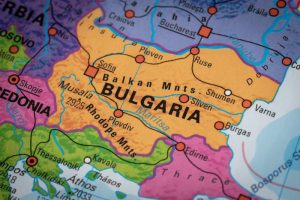
Balkan geopolitics holds significant weight in the broader context of European stability. This region, characterized by its rich history and diverse cultures, has long been a crossroads of influences. The interplay of ethnicities, national interests, and geopolitical strategies creates a complex landscape that directly impacts Europe. Understanding the dynamics of Balkan geopolitics is essential for grasping the stability of the entire continent.
Historical Context of Balkan Geopolitics
To appreciate the current state of Balkan geopolitics, we must first explore its historical underpinnings. The Balkans have been shaped by centuries of conflict, territorial disputes, and shifting alliances. These historical events continue to influence the region’s political landscape today.
The Ottoman Empire and Its Legacy
The decline of the Ottoman Empire in the early 20th century left a power vacuum in the Balkans. Nationalist movements emerged, leading to the creation of several nation-states. However, the borders drawn during this period often ignored ethnic and cultural divides, sowing the seeds for future conflicts. The legacy of the Ottoman Empire is still felt today, as ethnic tensions and historical grievances continue to shape political discourse.
The Yugoslav Wars
The breakup of Yugoslavia in the 1990s marked a turning point in Balkan geopolitics. Ethnic conflicts erupted, resulting in brutal wars and significant humanitarian crises. The wars not only reshaped borders but also created deep-seated animosities among different ethnic groups. The international community’s response to the Yugoslav Wars highlighted the complexity of intervention in Balkan affairs and set the stage for ongoing geopolitical challenges.
NATO and EU Involvement
In the aftermath of the wars, NATO and the European Union sought to stabilize the region. NATO’s intervention in Kosovo in 1999 and the subsequent establishment of peacekeeping forces aimed to prevent further violence. The EU initiated a process of integration for Balkan countries, emphasizing the importance of democratic reforms and economic development. However, progress has been uneven, and lingering tensions pose ongoing challenges.
Current Geopolitical Landscape
Balkan geopolitics today is characterized by a mix of cooperation and competition among various players. The region’s strategic location continues to attract the interest of global powers, making it a focal point in contemporary geopolitics.
The Role of Major Powers
Several major powers have vested interests in the Balkans. The European Union, the United States, Russia, and China all seek to influence the region, albeit with different objectives. The EU promotes stability through integration and reform, while Russia often leverages historical ties and energy dependencies to maintain its influence. China’s Belt and Road Initiative has also introduced new dynamics, as Beijing invests in infrastructure projects across the region.
Ethnic Tensions and Nationalism
Ethnic tensions remain a significant factor in Balkan geopolitics. Nationalist sentiments have resurged in several countries, complicating efforts for regional cooperation. The political landscape is often marked by rhetoric that exacerbates divisions rather than fostering unity. Countries like Serbia and Kosovo still grapple with unresolved issues stemming from the past, hindering progress toward stability.
Economic Challenges
The Balkans face economic challenges that contribute to political instability. High unemployment rates, corruption, and inadequate infrastructure hinder growth and development. These economic issues often fuel discontent among citizens, leading to protests and political unrest. Addressing economic disparities is crucial for fostering stability in the region.
The Importance of Balkan Geopolitics for European Stability
Understanding Balkan geopolitics is essential for assessing European stability. The region serves as a barometer for broader geopolitical trends, reflecting the interplay of national interests, ethnic identities, and external influences.
Security Implications
The Balkans are strategically located at the crossroads of Europe and Asia. Instability in the region can have far-reaching consequences for European security. The potential for conflict can lead to refugee crises, organized crime, and the spread of extremist ideologies. A stable Balkans is essential for ensuring the security of neighboring countries and the EU as a whole.
EU Integration and Reform
The EU’s engagement with the Balkans is crucial for promoting stability. By fostering democratic reforms and economic development, the EU can help mitigate regional tensions. Successful integration of Balkan countries into the EU framework would not only enhance stability but also strengthen the EU’s geopolitical position. However, the slow pace of integration has raised concerns about the EU’s commitment to the region.
Energy Security
Balkan geopolitics also plays a role in energy security for Europe. The region serves as a transit route for energy resources, particularly natural gas. Diversifying energy sources and routes is essential for reducing dependence on a single supplier. Stability in the Balkans is vital for ensuring reliable energy supplies to Europe, particularly in light of geopolitical tensions with Russia.
Migration and Demographics
Migration trends from the Balkans can impact European demographics and social dynamics. Economic challenges and political instability drive many individuals to seek opportunities in Western Europe. Managing migration flows is essential for maintaining social cohesion and addressing the needs of both migrants and host countries. A stable Balkans could help reduce migration pressures on the EU.
The Future of Balkan Geopolitics
As we look to the future, the trajectory of Balkan geopolitics will continue to influence European stability. Several factors will shape the region’s political landscape in the coming years.
The Role of the EU
The EU’s commitment to the Balkans will be pivotal. Increased engagement and support for democratic reforms are essential for fostering stability. The EU must address the challenges of integration, ensuring that Balkan countries feel valued and supported in their aspirations for membership.
Regional Cooperation
Promoting regional cooperation among Balkan countries is crucial for addressing shared challenges. Initiatives that encourage dialogue and collaboration can help build trust and reduce tensions. Establishing frameworks for cooperation on issues such as trade, security, and infrastructure can foster a sense of unity.
External Influences
The influence of major powers will continue to shape Balkan geopolitics. The EU, the US, Russia, and China will vie for influence in the region. Balancing these interests will require careful diplomacy and a commitment to regional stability. The ability of Balkan countries to navigate these external influences will be critical for their future.
Youth Engagement and Empowerment
The youth of the Balkans play a vital role in shaping the future. Engaging young people in political processes and providing opportunities for education and employment can foster a sense of agency. Empowering the youth to contribute to democratic governance and economic development is essential for long-term stability.
Conclusion
Balkan geopolitics is of paramount importance for European stability. The region’s complex history, ongoing ethnic tensions, and strategic location make it a focal point in contemporary geopolitics. Understanding the dynamics at play is essential for addressing the challenges and opportunities that lie ahead. As the EU and other stakeholders engage with the Balkans, fostering cooperation and stability will be crucial for ensuring a secure and prosperous future for Europe as a whole.
FAQs
1. Why is Balkan geopolitics crucial for Europe?
Balkan geopolitics influences European stability by impacting security, energy supplies, and migration trends. Instability in the region can lead to broader consequences for neighboring countries and the EU.
2. How does the EU engage with Balkan countries?
The EU promotes democratic reforms and economic development in the Balkans as part of its integration strategy. EU engagement aims to foster stability and encourage Balkan countries to adopt European standards.
3. What role do external powers play in the Balkans?
External powers like Russia, the US, and China seek to influence Balkan geopolitics for strategic interests. Their involvement can complicate regional dynamics and impact cooperation among Balkan countries.
4. What are the main challenges facing the Balkans today?
The Balkans face challenges such as ethnic tensions, economic difficulties, and political instability. Addressing these issues is essential for fostering regional stability and promoting cooperation.
5. How can youth engagement impact Balkan geopolitics?
Engaging young people in political processes and providing opportunities for education can empower them to contribute to democratic governance. Youth engagement is vital for shaping a stable future in the Balkans.