In the complex landscape of international relations, the concept of a strategic buffer zone plays a pivotal role in maintaining peace and stability. But what is a strategic buffer zone? At its core, a strategic buffer zone is a designated area situated between two or more conflicting parties, countries, or regions. These zones are established to reduce tensions, prevent conflict, and create a space for negotiation and dialogue. In this article, we will delve deeper into the significance of strategic buffer zones, explore real-world examples, and examine their implications for global geopolitics.
The Role of Strategic Buffer Zones
Strategic buffer zones serve multiple purposes in geopolitics. Primarily, they act as a physical barrier to separate opposing forces, thereby reducing the likelihood of direct confrontation. These zones can be created through various means, including diplomatic agreements, military interventions, or international treaties.
Historical Context
To understand the importance of strategic buffer zones, it is essential to look at historical precedents. Throughout history, nations have employed buffer zones as a means of mitigating conflicts. For instance, after World War I, the Treaty of Versailles established several buffer zones in Europe to prevent future hostilities. These zones aimed to limit the military capabilities of potentially aggressive nations, thereby fostering stability in the region.
Modern Examples
In contemporary geopolitics, strategic buffer zones continue to play a significant role. One prominent example is the Korean Demilitarized Zone (DMZ), established after the Korean War in 1953. This zone serves as a buffer between North and South Korea, effectively reducing the risk of armed conflict. Despite being one of the most heavily fortified borders in the world, the DMZ symbolizes an effort to maintain peace and facilitate dialogue between the two nations.
Characteristics of Strategic Buffer Zones
To grasp what a strategic buffer zone entails, it is important to recognize its key characteristics. These zones are not merely empty spaces; they are often defined by specific features and conditions that contribute to their effectiveness.
Geographic Location
The geographic location of a strategic buffer zone is crucial. Ideally, these zones are situated between adversarial states or regions, serving as a neutral territory. The location should provide both parties with a sense of security while allowing for communication and cooperation.
Size and Scope
The size and scope of a buffer zone can vary significantly depending on the geopolitical context. Some buffer zones may encompass vast areas, while others might be relatively small. The scope often reflects the intensity of the conflict and the historical context surrounding it.
Governance and Control
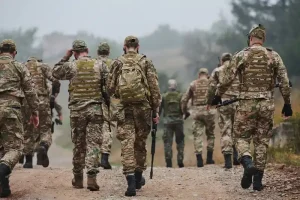
Governance and control mechanisms are essential components of strategic buffer zones. In many cases, these zones are monitored by international organizations or peacekeeping forces to ensure compliance with established agreements. The presence of neutral parties helps maintain stability and fosters trust between conflicting parties.
Cultural and Social Factors
Cultural and social factors also play a significant role in the effectiveness of strategic buffer zones. Understanding the historical, ethnic, and cultural dynamics of the regions involved can influence how buffer zones are perceived and managed. In some cases, local populations may feel a sense of ownership over these areas, which can impact their willingness to cooperate with external authorities.
The Importance of Strategic Buffer Zones
Strategic buffer zones are vital for several reasons. They contribute to regional stability, promote diplomatic dialogue, and serve as a deterrent against potential aggression.
Promoting Peace and Stability
One of the primary functions of strategic buffer zones is to promote peace and stability in conflict-prone areas. By creating a physical separation between opposing forces, these zones reduce the likelihood of misunderstandings and accidental escalations. For instance, the presence of a buffer zone can provide a cooling-off period during times of heightened tensions, allowing for diplomatic efforts to take place.
Facilitating Communication
Strategic buffer zones also serve as venues for communication and negotiation. These areas can host peace talks, diplomatic missions, and humanitarian efforts, fostering collaboration between conflicting parties. For example, the DMZ in Korea has seen various diplomatic initiatives, including family reunions and cultural exchanges, which promote understanding and cooperation.
Deterrence Against Aggression
The establishment of strategic buffer zones can act as a deterrent against aggressive actions. When nations know that a neutral zone exists between them, they may be less likely to engage in hostile activities. This deterrence can contribute to a more stable geopolitical environment.
Case Study: The European Union’s Buffer Zones
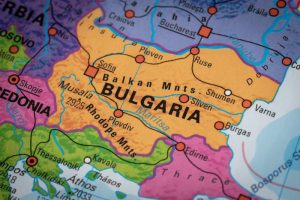
The European Union (EU) has employed strategic buffer zones in various contexts to enhance security and cooperation among member states. One notable example is the EU’s involvement in the Balkans during the 1990s. Following the breakup of Yugoslavia, the EU established buffer zones to facilitate peacekeeping efforts and promote stability in the region. These zones helped mitigate tensions and laid the groundwork for future diplomatic relations among the Balkan states.
Challenges and Limitations
While strategic buffer zones offer numerous benefits, they also face challenges and limitations that can affect their effectiveness.
Political Resistance
Establishing and maintaining strategic buffer zones often requires the cooperation of multiple parties. Political resistance from one or more stakeholders can hinder the effectiveness of these zones. For instance, if a nation perceives a buffer zone as a threat to its sovereignty, it may refuse to comply with established agreements.
Security Concerns
Security concerns can also undermine the effectiveness of strategic buffer zones. In some cases, armed groups or militias may operate within or near these zones, posing a threat to stability. For example, the DMZ between North and South Korea is heavily fortified, but the presence of rogue elements can create security challenges.
Limited Resources
Strategic buffer zones may require significant resources for monitoring and enforcement. In regions with limited financial and logistical support, maintaining these zones can be difficult. This lack of resources can compromise the effectiveness of buffer zones and hinder peacekeeping efforts.
Evolving Geopolitical Landscapes
The geopolitical landscape is constantly changing, and strategic buffer zones must adapt to evolving circumstances. As new conflicts arise and old ones resolve, the relevance and effectiveness of existing buffer zones may diminish. Policymakers must remain agile and responsive to these changes to ensure that buffer zones serve their intended purpose.
Future Prospects for Strategic Buffer Zones
As global tensions persist and new conflicts emerge, the role of strategic buffer zones will likely remain relevant in geopolitics. Adapting these zones to contemporary challenges will be crucial for maintaining peace and stability.
Innovations in Conflict Resolution
Innovative conflict resolution strategies may enhance the effectiveness of strategic buffer zones. By incorporating technology, such as surveillance drones and communication systems, policymakers can improve monitoring and enforcement capabilities. These innovations can help ensure compliance with agreements and enhance the overall effectiveness of buffer zones.
Emphasizing Local Engagement
Engaging local communities in the management of strategic buffer zones can foster a sense of ownership and responsibility. By involving local populations in decision-making processes, policymakers can build trust and cooperation. This collaborative approach can enhance the effectiveness of buffer zones and contribute to long-term peace.
International Collaboration
International collaboration will be essential for the success of strategic buffer zones. As global issues transcend national borders, countries must work together to address shared challenges. By fostering cooperation among nations, the effectiveness of buffer zones can be enhanced.
Conclusion
In conclusion, understanding what a strategic buffer zone is in geopolitics is essential for grasping the complexities of international relations. These zones play a critical role in promoting peace, facilitating communication, and deterring aggression. While challenges exist, strategic buffer zones remain a vital tool for managing conflicts and fostering stability in an ever-changing geopolitical landscape. By adapting to contemporary challenges and engaging local communities, the effectiveness of these zones can be enhanced, contributing to a more peaceful world.
Frequently Asked Questions (FAQs)
What is a strategic buffer zone?
A strategic buffer zone is a designated area between conflicting parties that aims to reduce tensions, prevent conflict, and facilitate dialogue and negotiation.
How do strategic buffer zones promote peace?
By creating physical separation between opposing forces, strategic buffer zones reduce the likelihood of misunderstandings and accidental escalations, promoting stability.
Can strategic buffer zones be effective in modern geopolitics?
Yes, strategic buffer zones can be effective in modern geopolitics by adapting to contemporary challenges, engaging local communities, and fostering international collaboration.